What Is Bruxism? Causes, Symptoms, and Treatment Options
Source:
Dr. Marketing
Many people wake up with headaches, jaw soreness, or sensitive teeth and assume they simply slept in an awkward position or had a stressful day. What they may not realize is that these symptoms can sometimes be linked to a condition known as bruxism.
Bruxism refers to the grinding, clenching, or tightening of the teeth, often without a person being aware that it is happening. While some individuals clench their teeth during the day, many experience bruxism while sleeping, making it difficult to recognize until symptoms begin to appear. Over time, the constant pressure placed on the teeth, jaw muscles, and temporomandibular joints can contribute to a wide range of oral health concerns.
At Curity Dental Care in East York, we often see patients who are surprised to learn that their headaches, worn teeth, or jaw discomfort are connected to teeth grinding. Understanding what bruxism is, why it happens, and how it can be managed is an important step toward protecting your smile and long-term oral health.
What Is Bruxism and Why Does It Happen?

Bruxism is the repeated grinding or clenching of the teeth. It can occur while a person is awake or asleep, although sleep bruxism is often more difficult to detect because it happens unconsciously. The exact cause of bruxism is not always straightforward. In many cases, several factors may contribute to the condition at the same time. Stress is often considered one of the most common contributors. When people experience emotional tension, anxiety, or frustration, they may clench their jaw muscles without realizing it. For some individuals, this tension continues during sleep, resulting in nighttime grinding.
Sleep-related factors may also play a role. Certain sleep disorders have been associated with an increased risk of bruxism, and disrupted sleep patterns can sometimes make symptoms worse. Lifestyle habits, including excessive caffeine consumption, tobacco use, and alcohol intake, may contribute as well.
Bite irregularities and jaw joint concerns are also factors that may increase stress on the teeth and surrounding muscles. In some cases, the body attempts to compensate for these issues through clenching or grinding movements. One reason bruxism often goes unnoticed is that many people never hear or feel themselves grinding their teeth. Instead, they only become aware of the condition when symptoms begin to affect their daily comfort or when a dental examination reveals signs of excessive wear.
Signs and Symptoms of Bruxism

Bruxism can affect different people in different ways. Some individuals experience only mild symptoms, while others develop significant discomfort or visible damage to their teeth. One of the earliest warning signs is often jaw soreness, particularly in the morning. Because the jaw muscles work throughout the night during grinding episodes, they may feel tired, stiff, or tender upon waking.
Headaches are another common symptom. Many patients describe tension headaches that begin near the temples and occur regularly without an obvious cause. These headaches are often related to the strain placed on the jaw muscles during sleep. Tooth sensitivity may also develop as enamel gradually wears down. As the protective outer layer of the teeth becomes thinner, patients may notice increased sensitivity to hot, cold, or sweet foods and beverages. Other symptoms may include:
- Facial pain or muscle fatigue
- Clicking or popping sounds in the jaw
- Neck and shoulder tension
- Disrupted sleep
- Chipped or cracked teeth
- Flattened tooth surfaces
- Indentations along the sides of the tongue
- Increased tooth mobility in severe cases
Because these symptoms often develop gradually, many people adapt to them and do not realize that bruxism may be the underlying cause.
The Long-Term Impact of Untreated Bruxism
Occasional clenching may not seem concerning, but ongoing bruxism can place tremendous pressure on the teeth and surrounding structures. In fact, the force generated during grinding episodes can exceed the pressure experienced during normal chewing.
Over time, this repeated stress can lead to significant oral health complications.
One of the most common consequences is excessive tooth wear. As enamel gradually erodes, teeth may become shorter, flatter, and more vulnerable to damage. Since enamel does not regenerate naturally, any wear that occurs is permanent. Bruxism can also increase the risk of chipped or fractured teeth. Even healthy teeth can eventually crack when subjected to repeated grinding forces. Existing dental restorations, including fillings, crowns, and veneers, may also experience additional stress and require replacement sooner than expected.
The effects are not limited to the teeth alone. The jaw joints and surrounding muscles often absorb much of the pressure created by clenching and grinding. As a result, some patients develop temporomandibular joint disorders (TMD), which may cause jaw pain, clicking, locking, and difficulty chewing comfortably.
Another concern is the impact on daily quality of life. Chronic headaches, facial soreness, and disrupted sleep can affect concentration, productivity, and overall well-being. What begins as a habit occurring during sleep can eventually influence many aspects of a person's daily routine. This is why early diagnosis and treatment are often recommended. Addressing bruxism before extensive damage occurs can help preserve the health and function of the teeth and jaw.
How Bruxism Is Diagnosed
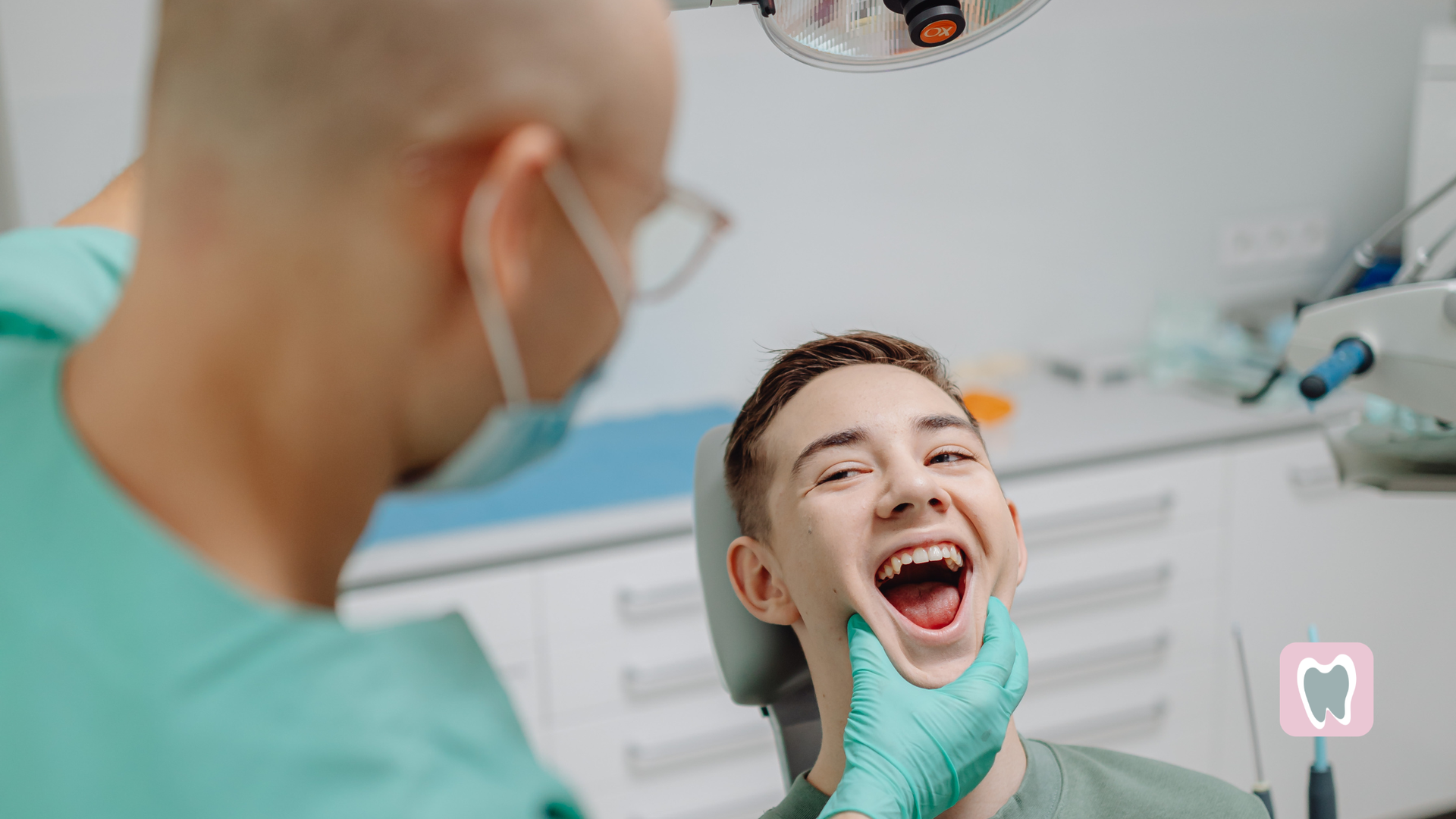
Many patients are unaware they have bruxism until a dental examination reveals signs of excessive grinding. Dentists are often able to identify patterns of wear that suggest the condition is occurring, even when symptoms are relatively mild.
At Curity Dental Care in East York, diagnosing bruxism typically begins with a comprehensive examination of the teeth, bite, jaw joints, and surrounding muscles. During the evaluation, several factors may be assessed, including:
- Tooth wear patterns
- Cracks or fractures
- Muscle tenderness
- Jaw movement and function
- Bite alignment
- Signs of temporomandibular joint dysfunction
Digital imaging may also be recommended in some cases to evaluate the condition of the jaw joints and supporting structures more thoroughly. A discussion of symptoms is equally important. Information about headaches, jaw discomfort, sleep habits, and stress levels can provide valuable insight into the underlying cause of the problem.
Treatment Options for Bruxism
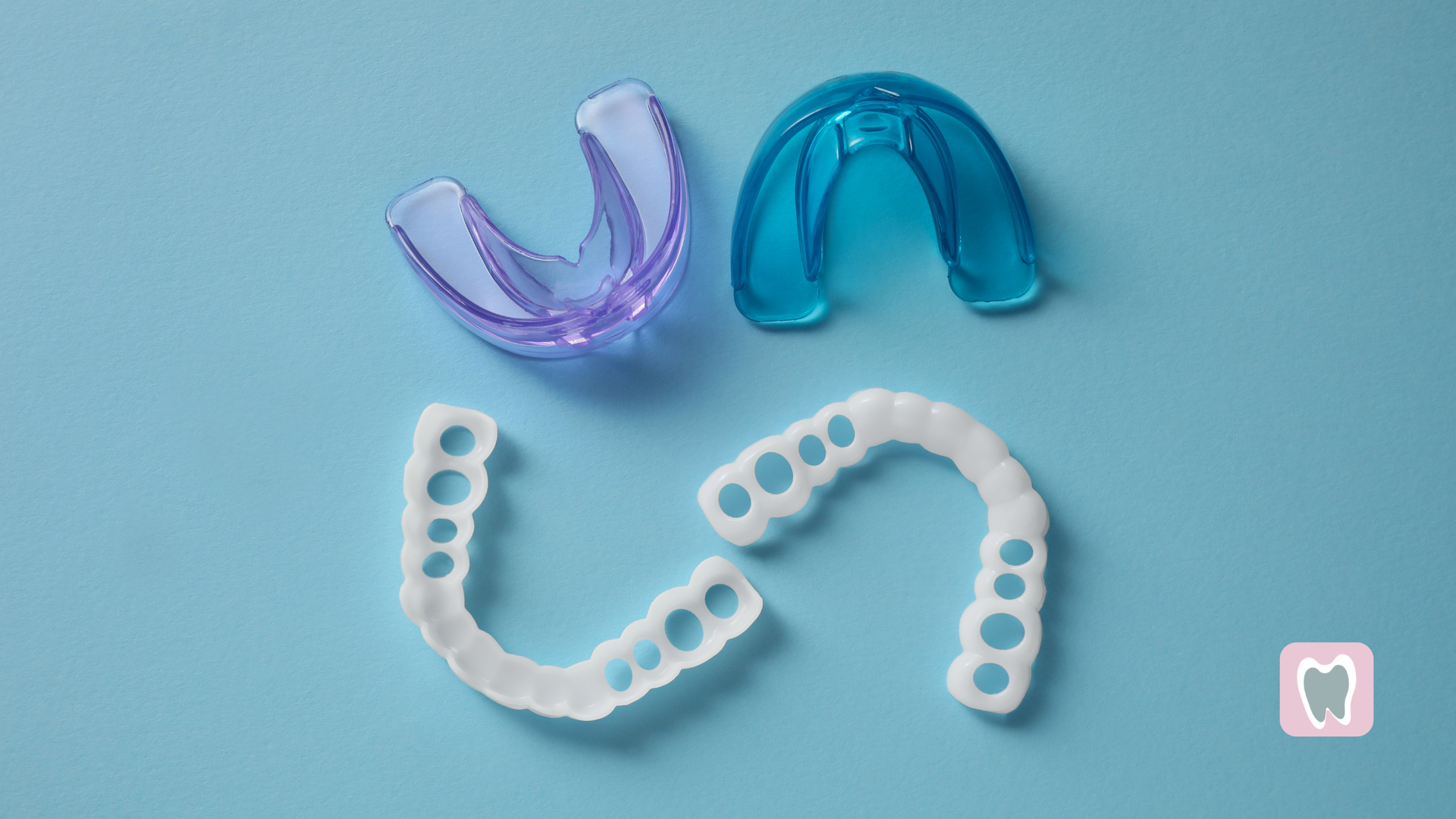
Bruxism treatment focuses on protecting the teeth, reducing stress on the jaw system, and addressing contributing factors whenever possible. One of the most common treatment approaches involves the use of a custom night guard. Unlike over-the-counter appliances, custom-made night guards are designed to fit the patient's teeth precisely. They create a protective barrier between the upper and lower teeth, helping reduce wear and absorb some of the forces generated during grinding.
Night guards do not necessarily stop bruxism from occurring, but they can significantly reduce the damage caused by grinding and clenching.
For many patients, addressing contributing factors is equally important. Since stress frequently plays a role in bruxism, stress-management techniques may help reduce symptoms. Relaxation exercises, improved sleep habits, and mindfulness strategies can all contribute to reducing muscle tension.
When jaw discomfort or temporomandibular joint concerns are present, additional treatment recommendations may be considered to improve comfort and jaw function. Every case is unique, which is why treatment plans should be tailored to the individual's symptoms and contributing factors. The goal is not simply to manage the symptoms but to help protect the teeth and reduce the strain being placed on the jaw system over time.
Protecting Your Smile from Bruxism

Bruxism is a common condition, but that does not mean it should be ignored. What may begin as occasional grinding or clenching can gradually lead to tooth wear, jaw discomfort, headaches, and long-term oral health complications.
Recognizing the signs early allows patients to take steps toward protecting their teeth before significant damage occurs. Whether symptoms involve morning headaches, sensitive teeth, jaw soreness, or visible wear on the teeth, a professional evaluation can help determine whether bruxism is contributing to the problem.
At Curity Dental Care in East York, we help patients identify the causes of teeth grinding and develop personalized treatment strategies designed to protect their smiles. If you suspect you may be experiencing bruxism, book your consultation with Curity Dental Care in East York to learn more about your treatment options and how you can safeguard your oral health for the future.