
Tooth Extraction Recovery: When You Start Feeling Better Again
Source: Dr. Marketing
A tooth extraction can feel like a big step, even when it is a routine procedure. Most patients are not only thinking about the appointment itself. They are thinking about what happens after. How long will soreness last? When can you eat normally again? What should healing look like, and what should not be ignored?
Recovery is usually smoother than people expect, especially when aftercare is taken seriously. The key is understanding that healing happens in stages. Some changes are quick and noticeable, while others happen quietly beneath the surface. At Curity Dental Care in East York, we help patients feel more confident during recovery by explaining what is normal, what to avoid, and how to support healing without stress. If you have an upcoming extraction or want clarity on what to expect, book an appointment with us today.
The First Few Hours: Protecting the Blood Clot Matters Most

Right after the extraction, the body begins forming a blood clot in the empty socket. This clot is the “protective cover” that allows healing to begin properly. It shields the area underneath and supports tissue repair.
During this time, mild bleeding or oozing is common. Pressure with gauze and rest usually helps. Many patients also notice numbness wearing off and a gradual shift into soreness. That is expected. The goal is not to rush back into normal routines. The goal is to keep the area calm and protected so healing can start strong.
This is also when the most important rule applies: avoid anything that can dislodge the clot. Actions such as using straws, smoking, vaping, forceful spitting, or aggressive rinsing can increase the risk of dry socket, which is one of the most uncomfortable setbacks during extraction recovery. For personalized aftercare instructions based on your procedure, schedule a follow-up with us.
Days 1 to 2: Soreness Feels Real, but Healing Is Active
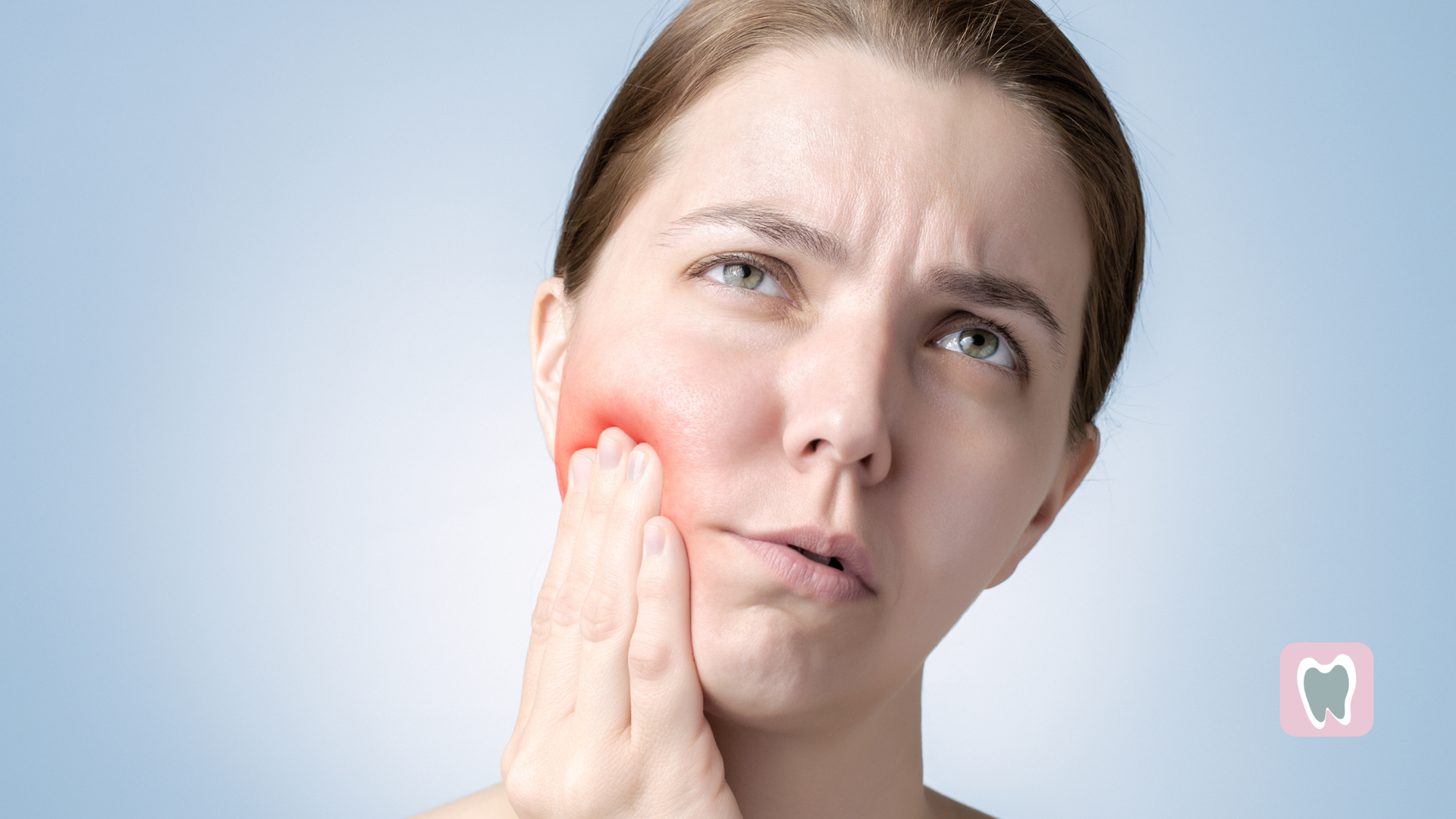
The first day is when most people feel tender and cautious, especially when talking, chewing, or opening wide. Swelling may begin and the extraction area can feel “full” or sensitive.
By the second day, swelling often becomes more noticeable. Some patients worry that this means something is going wrong, but this is often the body doing exactly what it is supposed to do. It is responding to the procedure and beginning repair. Soft foods are still the best choice at this stage. Think comfort foods that do not require much chewing. Hydration also matters more than many people realize, because a dry mouth can make everything feel more irritated.
At Curity Dental Care in East York, we often remind patients that this stage is about patience. Healing is not instant, but progress is happening even if the area still feels sensitive.
Days 3 to 4: Swelling Peaks, Then Starts to Settle

For many patients, the third day is the turning point. Swelling may peak around this time, then slowly begin to go down. Discomfort often feels more manageable, and the mouth starts feeling less “tight.”
This is also when patients start asking, “Should I be feeling better by now?”
In most cases, yes, improvement is noticeable around this point. It may not be perfect, but it should feel like it is moving in the right direction.
If pain suddenly becomes stronger instead of easing, that is when it is worth checking in. Healing should gradually improve, not become more intense.
Days 5 to 7: Daily Life Starts Feeling Normal Again
By the end of the first week, most patients feel much more like themselves. Swelling is usually reduced, and chewing becomes easier, especially if you are still careful with food choices. The gum tissue begins closing and the extraction site looks calmer. You may still notice a small opening, and that is normal. Healing does not happen overnight, but this stage often feels encouraging because progress becomes more obvious. This is also when oral hygiene feels easier again. Brushing should still be gentle, but keeping the mouth clean helps prevent irritation and supports smoother healing.
Week 2: The Surface Looks Better, but Healing Continues Underneath

By week two, the extraction area often looks significantly improved. Many patients assume the site is fully healed once it looks closed, but deeper healing continues even after the gums appear normal.
This is why it is still important to avoid biting directly on the area too soon and to stay consistent with good oral hygiene. If the extraction was part of a larger plan, such as orthodontic treatment or future tooth replacement, this is also when our dentist may discuss next steps. At Curity Dental Care in East York, we support patients by making sure healing stays stable and comfortable before moving forward with any additional treatment planning. If your extraction is part of a bigger treatment plan, book a consultation with us to plan your next steps.
Weeks 3 to 4: Stronger Healing and Better Comfort
By weeks three and four, most patients feel fully back to normal. The extraction site continues strengthening, and the risk of complications becomes much lower. This is the stage where many people stop thinking about the extraction completely, which is a good sign. It means the body has done its job well and the area has settled comfortably.
What Helps Recovery Feel Easier (Without Overthinking It)
Tooth extraction recovery is usually straightforward when a few habits stay consistent. The best approach is calm, simple, and steady. Try to prioritize:
- Soft foods early on, then slowly return to normal meals
- Water throughout the day to keep the mouth comfortable
- Gentle brushing and careful rinsing when advised
- Rest during the first couple of days, especially after surgical extractions
Most importantly, avoid the habits that can cause setbacks. Dry socket is not common for every patient, but it is often linked to avoidable actions such as smoking, suction, or aggressive mouth movements early in recovery.
When to Call Us

Some discomfort is normal. However, it is important to get support if something feels off. You should contact Curity Dental Care in East York if pain becomes more intense after day three, swelling returns suddenly, bleeding does not slow down, or the area develops an unpleasant taste or odor that does not improve. Early guidance can prevent unnecessary discomfort and keep healing on track.
A Smooth Recovery Is About Simple Habits Done Consistently
Healing after a tooth extraction is not about doing everything perfectly. It is about protecting the area early, staying consistent with hygiene, and letting the body recover at its own pace. Most patients feel noticeably better within the first week, and full healing continues quietly in the weeks that follow.
If you have questions about your recovery timeline or want personalized aftercare guidance, book an appointment with Curity Dental Care in East York. Our team is here to support a comfortable recovery and help you protect your long-term oral health.