
How the Right Diagnosis Leads to Better TMJ Treatment
Source:
Dr. Marketing
Jaw pain is one of those problems that can be surprisingly frustrating. For some people, it begins as a clicking sound when they yawn. Others wake up with headaches, sore facial muscles, or teeth that suddenly feel different when they bite down. Although these symptoms may all point to temporomandibular disorder (TMD), the reason behind them is not always the same.
This is exactly why there is no single treatment that works for every patient with TMJ disorder. Successful TMJ treatment is not about simply relieving jaw pain. It is about understanding why your jaw is no longer functioning the way it should.
At Curity Dental Care in East York, we believe every patient deserves a personalized approach to TMJ treatment. By identifying the root cause of your symptoms, we can recommend the treatment that best restores comfort, improves jaw function, and helps prevent future oral health problems.
If you have been experiencing jaw pain, jaw clicking, headaches, or difficulty chewing, schedule a TMJ consultation with Curity Dental Care in East York. The earlier the problem is diagnosed, the easier it is to protect your smile.
Your Bite Plays a Bigger Role Than You May Realize
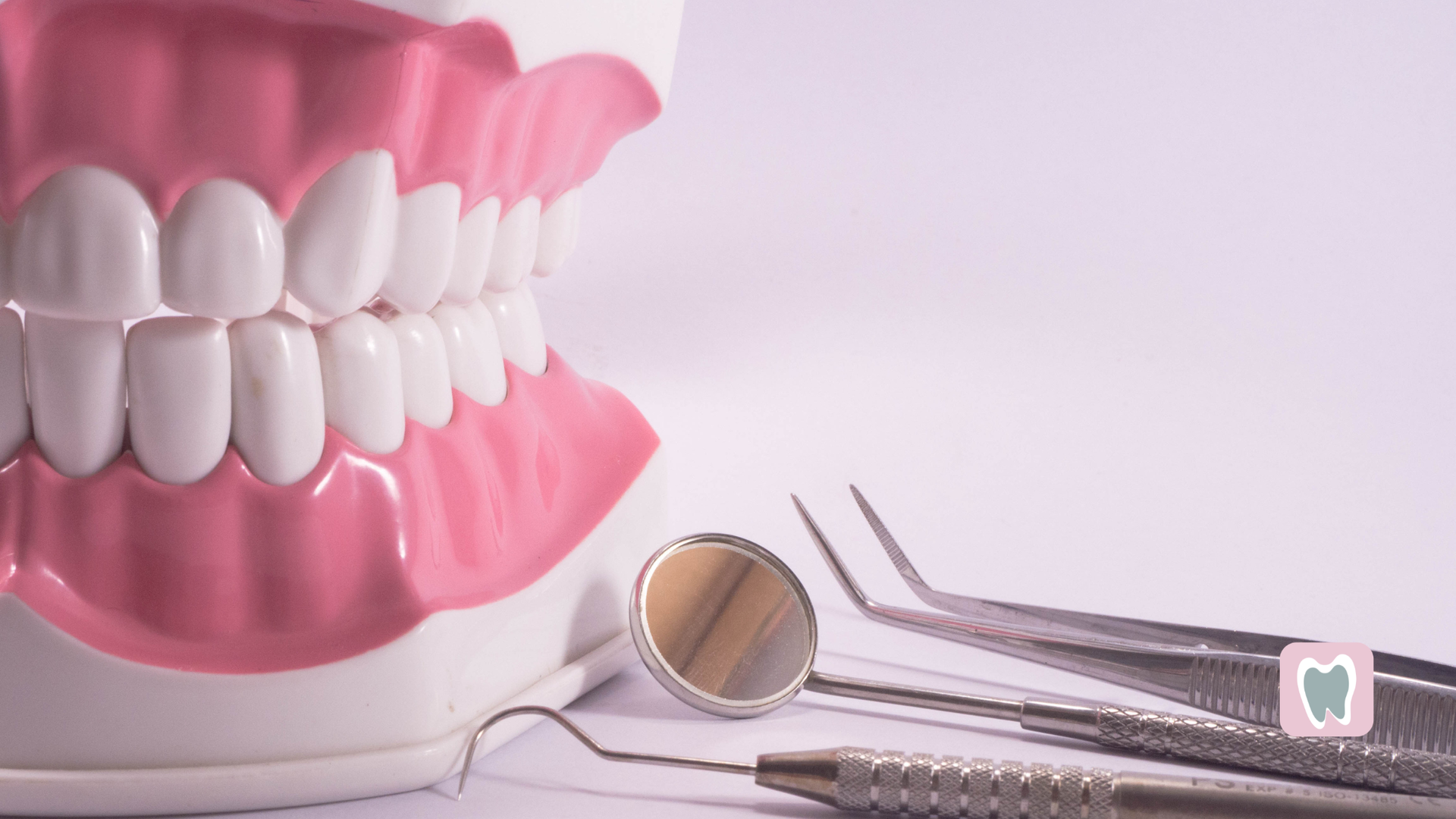
Most people think of their bite as simply how their teeth come together, but it is much more than that. Every time you chew, speak, yawn, or swallow, your teeth, jaw joints, muscles, and ligaments must work together in harmony.
When your bite is properly balanced, these movements happen naturally without placing excessive strain on your jaw. However, if your teeth do not meet correctly, your jaw muscles begin compensating every time you close your mouth. Since the average person swallows thousands of times each day, even a small bite imbalance can place continuous stress on the jaw joints.
Over time, this extra pressure may contribute to jaw pain, TMJ dysfunction, headaches, facial muscle fatigue, worn teeth, or difficulty opening and closing the mouth comfortably.
Because every patient's bite is unique, every case of TMJ disorder is unique as well. The goal is not simply to manage the symptoms. It is to understand why the jaw is under stress in the first place.
Why There Is No One Size Fits All TMJ Treatment

One of the biggest misconceptions about TMJ treatment is that everyone with jaw pain needs the same solution.
Imagine two patients visiting our office.
Both experience clicking when they chew.
Both suffer from headaches.
Both have sore jaw muscles.
On the surface, their symptoms appear almost identical.
However, after a comprehensive examination, we discovered that one patient's bite never developed into a healthy position, while the other patient's teeth had gradually worn down after years of grinding and clenching.
Although their symptoms are similar, the causes are completely different.
Treating both patients the same would likely produce disappointing results. That is why diagnosing the underlying cause is the most important step in developing a successful TMD treatment plan.
At Curity Dental Care in East York, every TMJ evaluation begins with a detailed assessment of your bite, jaw joints, muscle function, and overall oral health before any treatment recommendations are made.
Treatment Option One: Correcting the Bite with Orthodontics
For some patients, TMJ dysfunction develops because the teeth and jaws never aligned properly during growth. An uneven bite can force the jaw into an unhealthy position every day, creating unnecessary stress on the joints and surrounding muscles.
In these situations, orthodontic treatment may be the most effective long-term solution.
Braces and other orthodontic appliances gradually improve bite alignment, allowing the teeth and jaws to function together more naturally. In younger patients, orthodontic appliances may also help guide jaw development while growth is still occurring, reducing the likelihood of future TMJ problems.
The goal is not simply to straighten teeth. It is to create a healthier relationship between the teeth, jaw joints, and muscles so they can function comfortably for years to come.
Treatment Option Two: Restoring a Physiologic Bite
Not every patient needs braces to improve TMJ function.
For many adults, the teeth themselves have changed over time because of grinding, clenching, broken teeth, or years of uneven wear. In these situations, the jaw may no longer have a stable position to function comfortably.
Rather than immediately rebuilding the teeth, we first establish what is known as a physiologic bite, which is the jaw's most natural and relaxed position. This is typically achieved by wearing a custom-made appliance continuously for approximately two to three weeks. During this time, the appliance allows the jaw muscles to relax and guides the jaw into a healthier position without the interference of an uneven bite.
Once this comfortable position has been established, the bite can be permanently restored using carefully designed dental crowns. Instead of forcing the jaw to adapt to worn teeth, the teeth are rebuilt to support the healthiest position of the jaw.
This approach often provides greater comfort, improved chewing function, and long-term stability because the entire chewing system is working together again.
If you have been told your teeth show excessive wear or your bite has changed over the years, schedule a TMJ consultation with Curity Dental Care in East York. Understanding whether a physiologic bite is right for you is the first step toward lasting relief.
Why Early TMJ Treatment Matters

Many people live with jaw pain for years because the symptoms seem manageable. Unfortunately, TMJ disorders often become more complicated when left untreated. Continued stress on the jaw can contribute to worn or fractured teeth, chronic headaches, muscle fatigue, limited jaw movement, and ongoing bite changes. What begins as occasional clicking may eventually affect everyday activities like eating, speaking, and sleeping.
Early diagnosis often allows treatment to be more conservative while helping prevent additional damage to your teeth and jaw joints.
If you notice frequent jaw clicking, headaches, difficulty chewing, or changes in the way your teeth fit together, do not wait for the discomfort to become worse. Book a TMJ evaluation with Curity Dental Care in East York to determine the cause of your symptoms and explore the treatment options available.
The Right TMJ Treatment Starts with the Right Diagnosis
There is no universal solution for TMJ disorder because there is no universal cause. Every patient's bite, jaw function, and oral health history are different, which is why every TMJ treatment plan should be different as well.
Whether your condition is best treated through orthodontic treatment, establishing a physiologic bite, or another personalized approach, the goal remains the same: restoring healthy jaw function, relieving discomfort, and protecting your long-term oral health.
At Curity Dental Care in East York, we take the time to understand your symptoms before recommending treatment. By creating a personalized plan based on your unique bite and jaw function, we can help you achieve lasting relief and a healthier, more comfortable smile.
If jaw pain has been interfering with your daily life, schedule your TMJ consultation with Curity Dental Care in East York today. Together, we can find the treatment that is right for you and help restore comfortable, confident function to your smile.